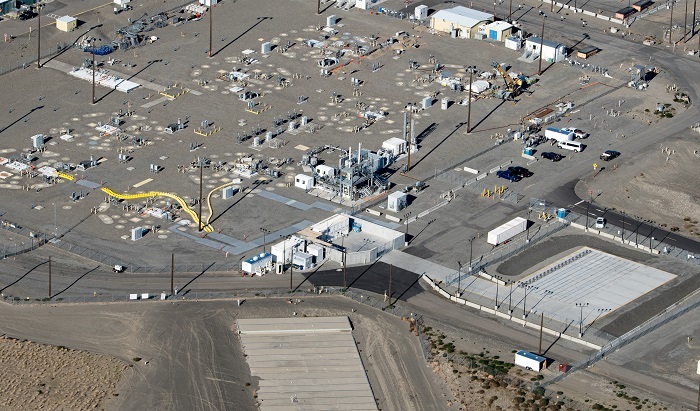
An aerial view of the Hanford Site’s AP Tank Farm. (Photo: DOE)
The Department of Energy has reported that its Hanford Field Office has submitted two permit modification requests to the Washington State Department of Ecology that could speed up the cleanup of the Hanford Site near Richland, Wash. The requests “represent the latest step in a science-backed dual glass-plus-grout strategy to eliminate risks posed by aging tanks and meet cleanup commitments to the people of Washington more quickly, safely and efficiently,” the DOE said.
ANS offers the technical expertise of nuclear professionals to support the state, Tribes, local communities, and the public
WASHINGTON, D.C. — The U.S. Department of Energy (DOE) today announced the selection of five finalist states to host a Nuclear Lifecycle Innovation Campus (NLIC), to be formalized through a memorandum of understanding between DOE and the state.
ANS President Mark Peters congratulated each of the NLIC finalist states: Idaho, Louisiana, Oklahoma, Tennessee, and Utah.
"Hosting a Nuclear Lifecycle Innovation Campus will mean multigenerational job creation, sustained economic growth, and new investment in education and workforce development, all while capturing the full value of nuclear energy," said Peters.
"This is an important step in evaluating how the United States can strengthen its nuclear fuel cycle and expand domestic nuclear capabilities," continued Peters. "ANS and its members stand ready to help state leaders and local communities address the technical questions ahead."
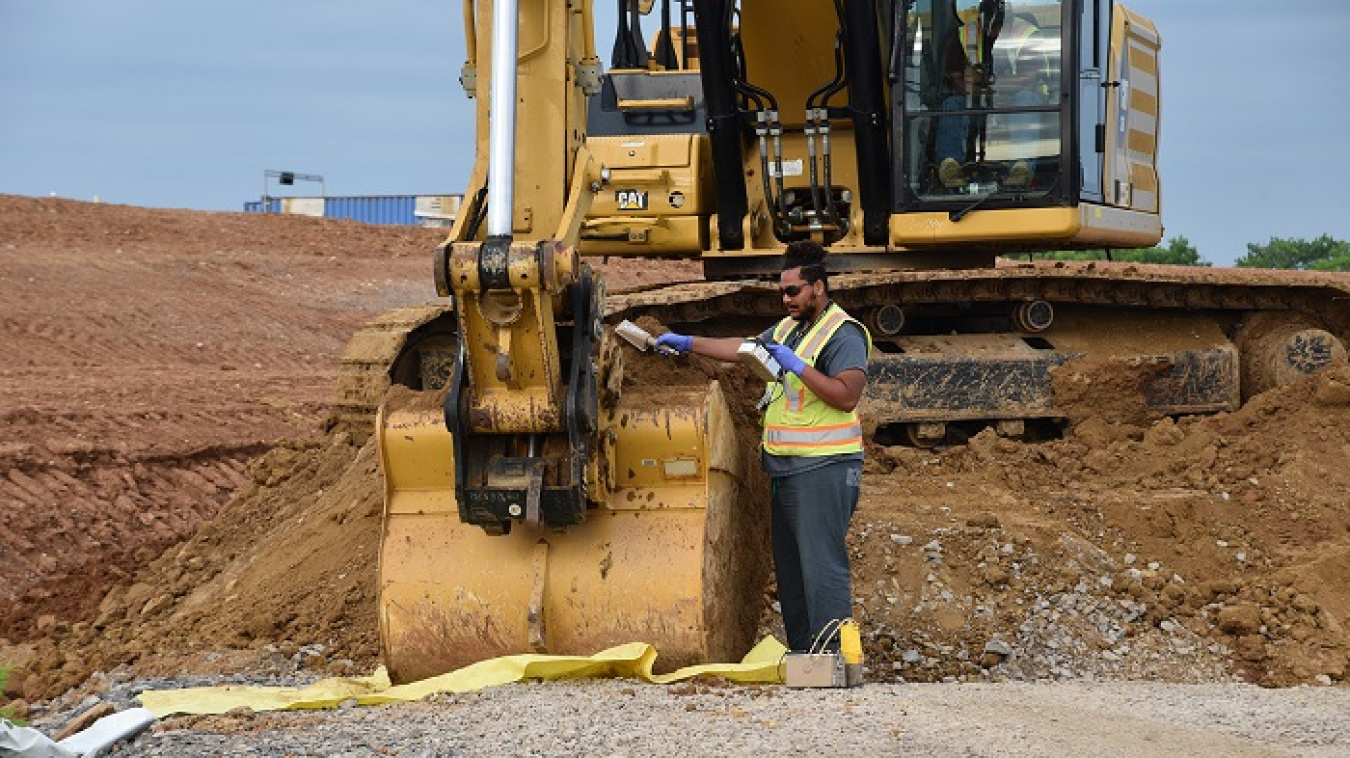
A worker scans excavated soil at the DOE’s Oak Ridge site in this 2022 photo to ensure it contains no radioactive contaminants. (Photo: DOE)
Better information regarding the specific work needed to finish cleaning up contaminated soil and legacy landfills at Department of Energy nuclear sites could help the department better prioritize cleanup projects and improve budgeting decisions, according to an audit by the Government Accountability Office.
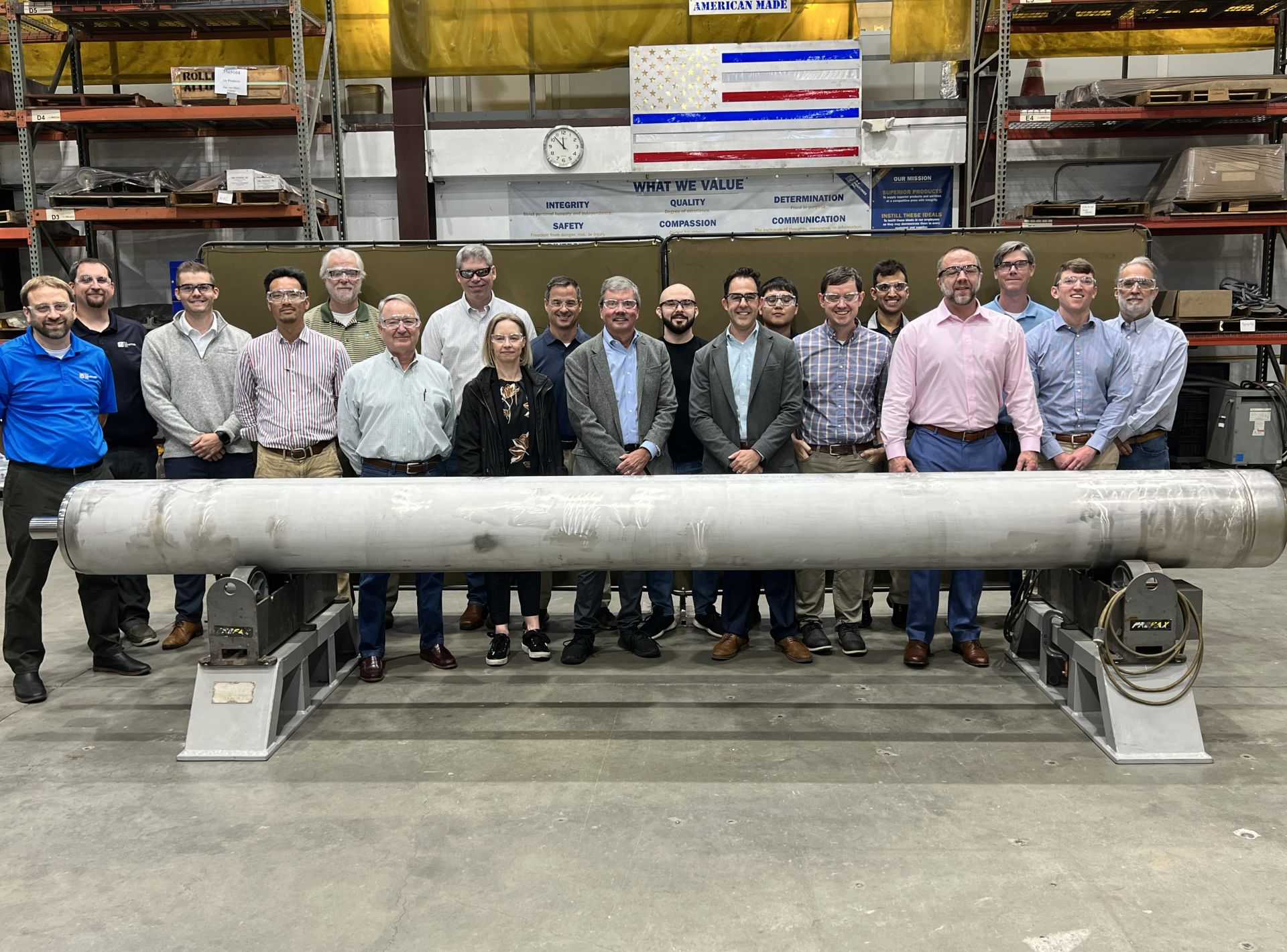
Technical advisory committee members in front of a full-scale universal nuclear waste canister prototype developed through ARPA-E’s UPWARDS program. (Photos: Deep Isolation)
At COP28, held in Dubai in 2023, a clear consensus emerged: Nuclear energy must be a cornerstone of the global clean energy transition. With electricity demand projected to soar as we decarbonize not just power but also industry, transport, and heat, the case for new nuclear is compelling. More than 20 countries committed to tripling global nuclear capacity by 2050. In the United States alone, the Department of Energy forecasts that the country’s current nuclear capacity could more than triple, adding 200 GW of new nuclear to the existing 95 GW by mid-century.
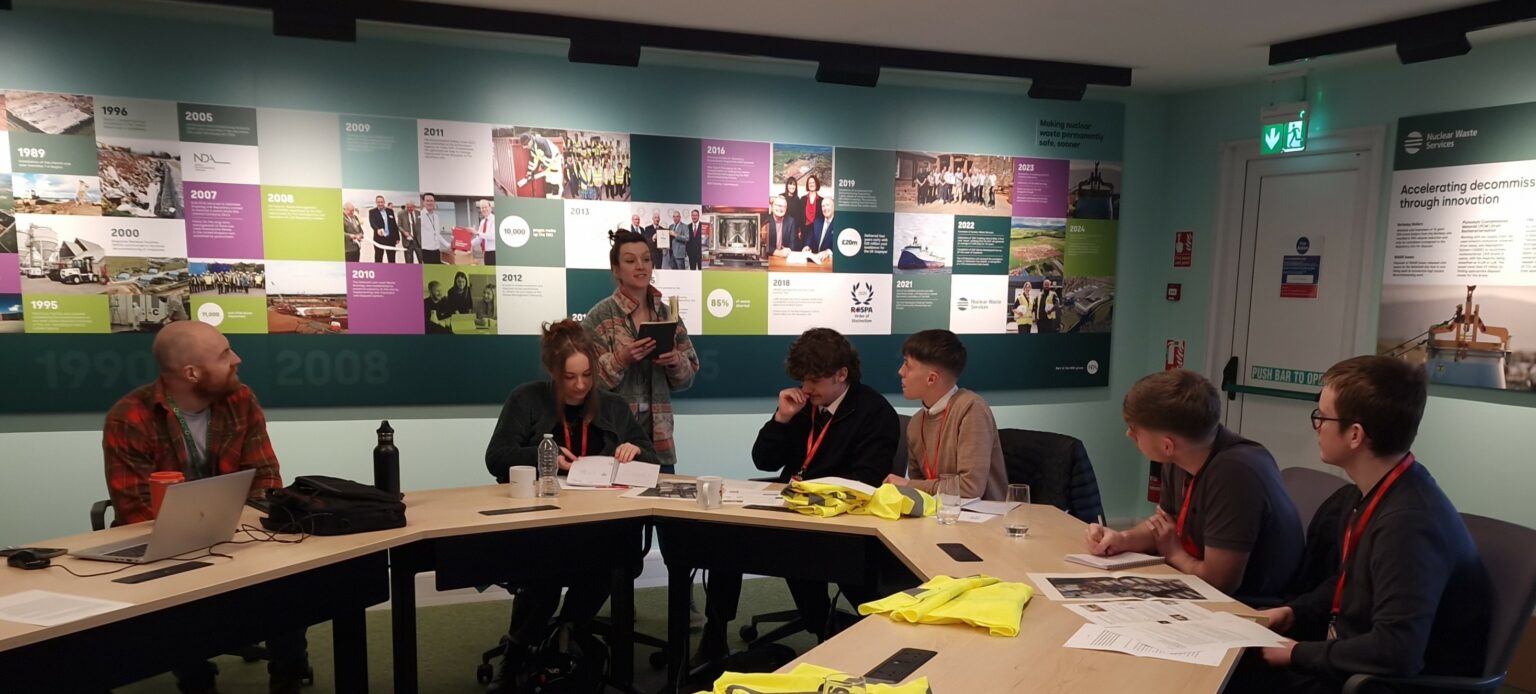
Participants take part in the Centre for Leadership Performance’s Dream Placement program. (Photo: Nuclear Waste Services)
Nuclear Waste Services recently hosted a group of five teenagers for a week of exposure to real-world nuclear industry work environments at its facilities in Calderbridge, Cumbria, in northwestern England. The youth learned about career opportunities and leadership responsibilities at the company. They engaged with senior management and performed activities with several different NWS teams, including the environmental, waste characterization, cybersecurity, geological disposal facility grants, and human resources departments.
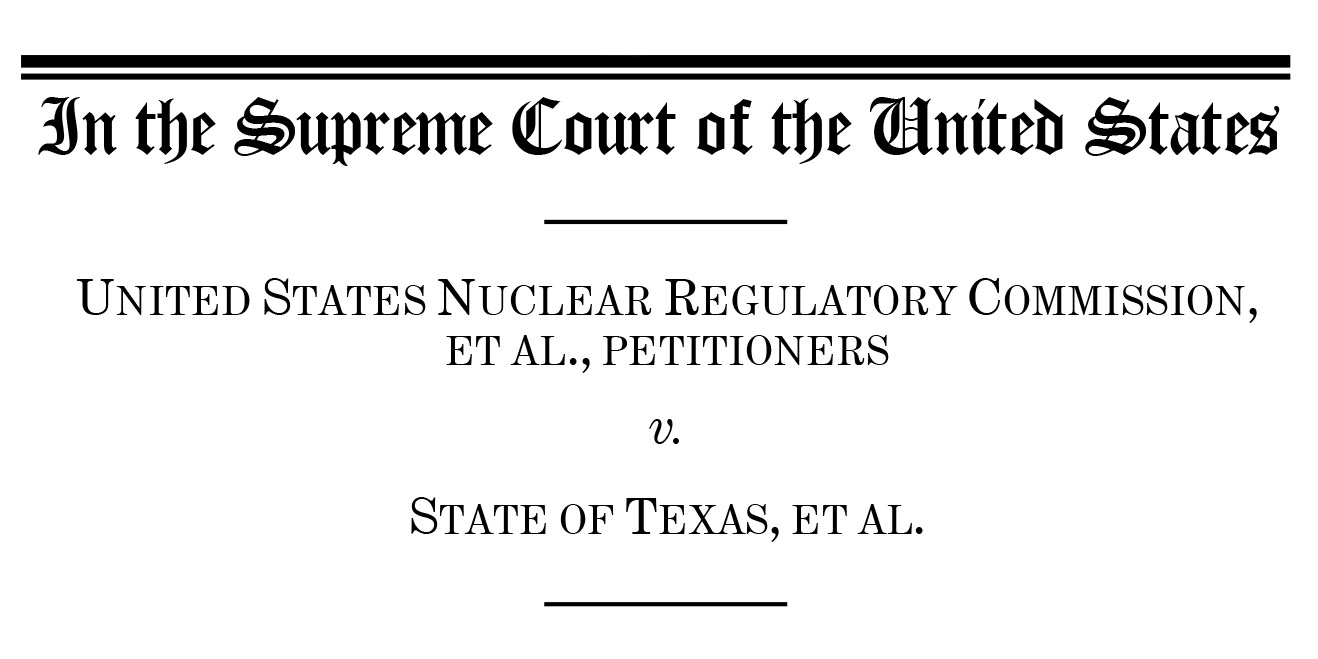
Statement from ANS on Supreme Court’s decision to grant certiorari to NRC v. Texas
Washington, D.C. — The American Nuclear Society (ANS), a nonprofit representing over 10,000 professionals in the fields of nuclear science and technology, issued the following statement regarding the U.S. Supreme Court’s decision to grant certiorari to Nuclear Regulatory Commission v. Texas:
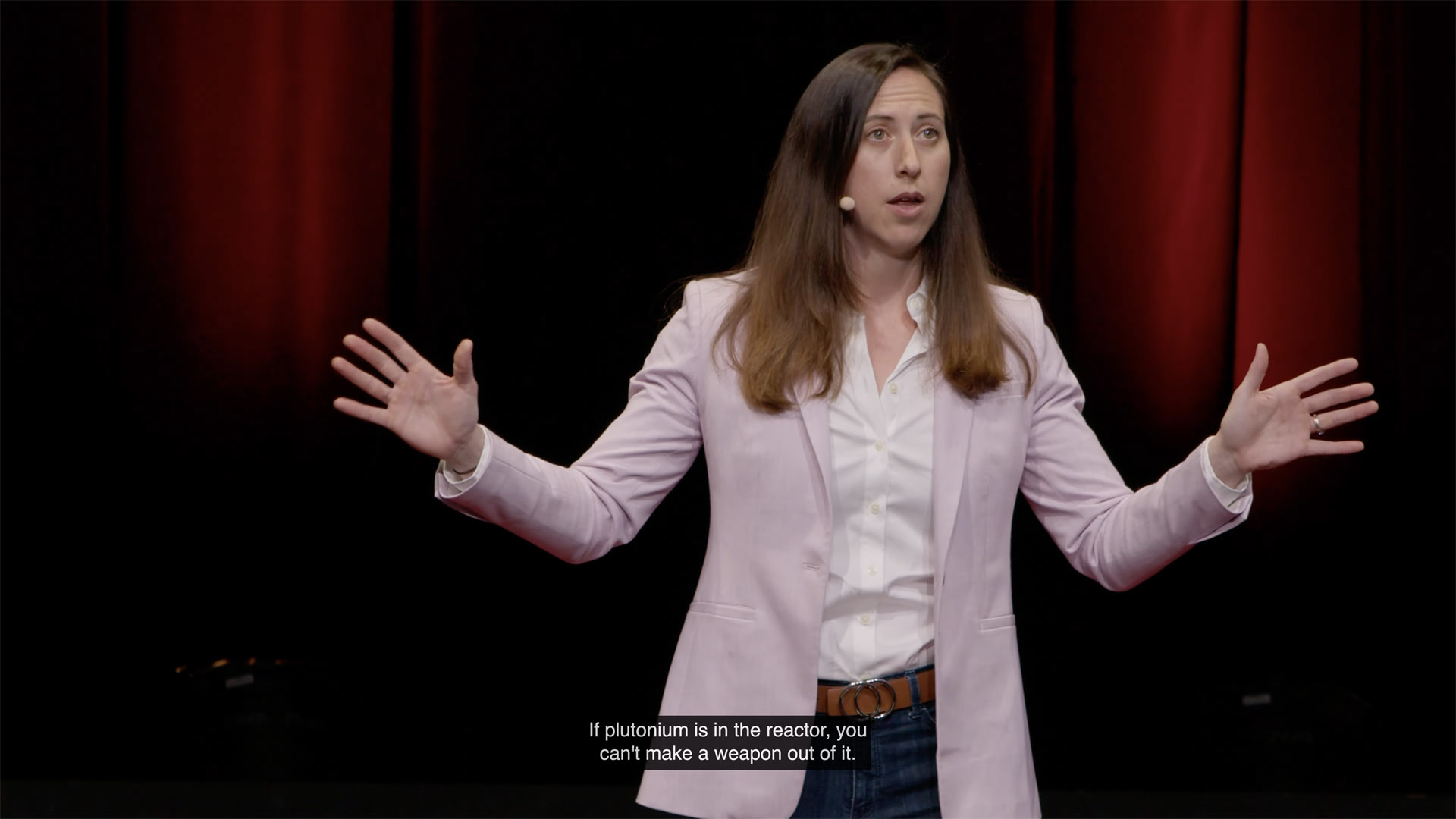
Jenifer Shafer during her TEDx talk on nuclear energy. (Screen capture: YouTube)
Jenifer Shafer, the associate director for technology at the Advanced Research Projects Agency–Energy (ARPA-E), recently delivered a TEDx talk in which she explained the basic concepts of nuclear waste recycling, including related nonproliferation issues. As Shafer wrote in a post on LinkedIn, “In my talk, I explored the misconceptions surrounding nuclear waste and discuss[ed] the possible emerging opportunities regarding nuclear fuel recycling. It’s crucial that we understand the real potential of nuclear energy, and leveraging our ‘nuclear treasure,’ in shaping a sustainable future.”
Twelve orgs call on Congress to fund updates to EPA standards for permanent storage of spent nuclear fuel.
Washington, D.C. –- The American Nuclear Society (ANS) joined 11 other energy and environmental organizations in calling on Congress to fund work by the Environmental Protection Agency (EPA) to develop a new, technology-neutral, generic environmental standard for the permanent disposal of spent nuclear fuel (SNF) and high-level radioactive waste (HLW) in the United States.
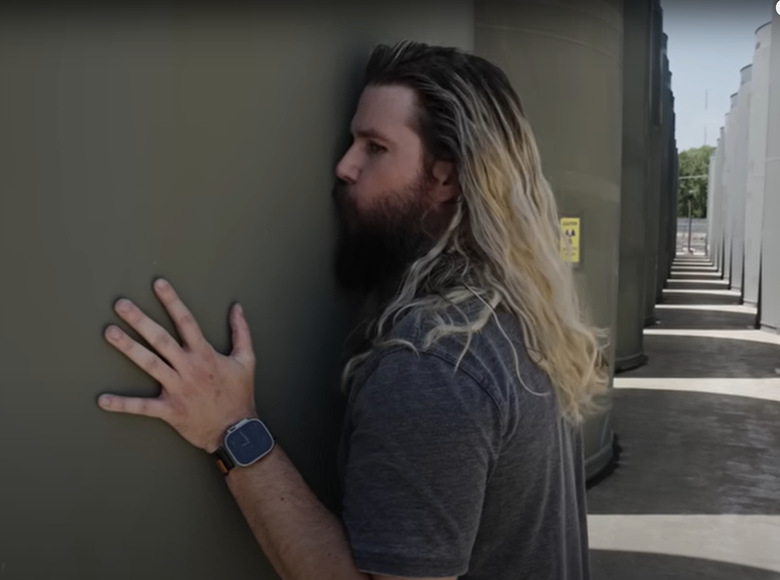
Kyle Hill appreciates a Dresden nuclear waste cask. (Photo: Kyle Hill)
On this holiday that celebrates all things love, here’s a look at the love affair that Kyle Hill has with nuclear energy—even its waste.
Finalized report incorporates feedback on revisiting EPA regulations
Downers Grove, Illinois – The American Nuclear Society (ANS) published a finalized report on recommendations for updating public health and safety standards for the permanent disposal of commercial used nuclear fuel and high-level radioactive waste at future geological repository projects in the United States.


_700 pixels.jpg)
 rotated.jpg)